
Battery safety affects every stage of electric coach operation, from overnight charging to long-distance passenger journeys. High-voltage battery packs must withstand temperature changes, road vibration, moisture, and electrical faults. Protecting these systems requires more than a strong battery enclosure. Modern electric coaches combine thermal management, physical barriers, and continuous monitoring to address different risks.
The Yutong electric coach incorporates battery protection technologies designed for commercial passenger transport. These technologies work at vehicle, battery pack, and component levels. Understanding their functions helps transport operators evaluate safety features and recognize how integrated protection differs from individual protective devices.
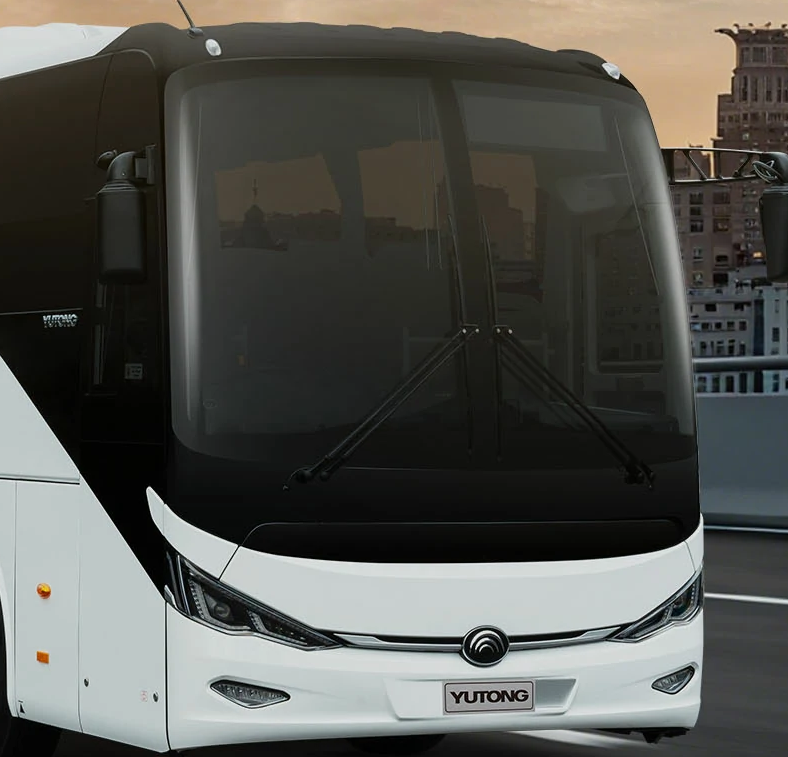
Multiple Protection Layers Address Different Risks
Battery safety begins with identifying possible sources of failure. External impacts can damage battery housings, while internal electrical faults may cause overheating. Water intrusion and abnormal charging conditions create additional concerns. Each hazard requires a different protective response, making a layered approach important for electric passenger vehicles.
Vehicle-level protection focuses on reducing damage during collisions or other mechanical incidents. Battery pack protection addresses internal and external thermal hazards. Component-level measures manage electrical and temperature-related risks. Monitoring systems provide another layer by detecting changes in operating conditions.
These measures become more effective when their functions complement one another. Physical structures reduce exposure to external hazards, while electrical controls respond to abnormal conditions. Thermal protection limits heat-related risks, and monitoring helps identify developing faults. This combination reduces dependence on a single protective measure.
Thermal Management Supports Stable Battery Operation
Battery cells generate heat during charging and discharging. Temperature increases can accelerate degradation and affect electrical performance. Uneven temperatures within a pack may also create differences in cell behavior. Thermal management systems help maintain suitable operating conditions across the battery assembly.
Liquid cooling circulates coolant through designated thermal pathways to remove heat. Sensors monitor battery temperatures and provide information for system adjustments. During demanding journeys or charging sessions, controlled heat transfer helps reduce temperature differences between battery components.
Cold conditions present another challenge. Battery charging performance may decline when cell temperatures fall below suitable operating levels. Thermal systems may use controlled heating to prepare batteries for operation. Effective design must consider both cooling and heating without introducing unnecessary electrical hazards inside the battery enclosure.
Structural Protection Limits External Damage
Battery packs face mechanical stresses throughout their service life. Road vibration, flying debris, and accidental impacts can damage external housings or electrical connections. Reinforced structures and protected installation positions help reduce exposure to these hazards.
Collision-resistant battery compartments provide protection during vehicle impacts. Their effectiveness depends on structural design, mounting arrangements, and the forces involved. Protective barriers can also separate battery components from surrounding vehicle structures, reducing the possibility of direct damage.
Moisture protection is equally important. Water entering high-voltage equipment can cause insulation problems and electrical faults. Sealed housings and protected connections help limit exposure. Operators should still follow vehicle-specific water-depth restrictions and inspect battery compartments after suspected damage.
How Integrated Technology Protects Electric Coaches
These protection principles appear in the Yutong Electric Safety Standard, or YESS. Yutong Bus developed this technology around five protection levels: vehicle, system, battery enclosure, components, and monitoring. The system combines mechanical protection with electrical and thermal safety measures to address different battery hazards.
One feature is nitrogen protection inside the battery enclosure. By reducing oxygen availability, this technology addresses conditions that can support combustion. YESS also incorporates thermal-electrical protection and liquid-based temperature control. These measures address different stages of battery-related hazards rather than relying on one protective mechanism.
The C13E(ZK6137BEV) battery electric tourism coach provides a relevant product example. Its official information identifies active and passive safety configurations, while the vehicle brochure describes nitrogen protection, ReGuard safety technology, liquid cooling, and battery pack protection rated IP68+IP6K9K. These features demonstrate how several safety measures are incorporated into one passenger vehicle.
Continuous Monitoring Helps Identify Battery Faults
Physical and thermal protection cannot replace battery condition monitoring. Battery management systems collect information about cell voltage, current, and temperature. These measurements help identify abnormal conditions that may require protective intervention. Depending on the fault, control systems can restrict charging or power delivery to reduce further stress.
YESS also includes continuous battery monitoring. Yutong Bus describes this function as part of its integrated protection system, connecting battery condition assessment with broader safety management. They combine monitoring with other protective technologies to address both developing faults and external hazards.
For operators, monitoring information supports practical maintenance decisions. Repeated temperature warnings, voltage irregularities, or unexpected charging interruptions require investigation. Technicians should examine diagnostic records and follow approved inspection procedures. Early fault identification can help prevent damaged components from remaining in passenger service.
Integrated Protection Matters Throughout Operation
Battery safety technologies must remain effective during daily vehicle operation. Charging, passenger transport, and prolonged exposure to changing weather create different operating conditions. The Yutong electric coach uses integrated protective measures to address these challenges, combining battery temperature control, structural protection, and monitoring.
Transport operators should evaluate how these technologies function together rather than comparing isolated features. Technical documentation should explain protection mechanisms, warning responses, and maintenance requirements. Understanding these details helps fleet managers establish suitable inspection practices and respond appropriately to battery-related faults.
Integrated battery protection cannot eliminate every operational risk. However, combining physical barriers, thermal management, nitrogen protection, and continuous monitoring provides several opportunities to control developing hazards. This layered approach offers a practical foundation for evaluating electric coach safety and supporting reliable passenger transport.
