
Key Takeaways
- Clear ownership and accountability in the turnover process prevent delays by ensuring every step is completed promptly and correctly.
- Coordinated vendor management ensures the timely completion of necessary tasks and helps maintain quality standards during the crucial transition period.
- Preventive maintenance reduces the need for extensive repairs during turnovers, enabling quicker move-ins and reducing operational expenses.
- Leveraging technology enhances communication, streamlines documentation, and enables faster, more reliable workflows across all teams.
- Fostering tenant satisfaction and community engagement reduces turnover, boosting retention and resident morale.
Streamlining the process of preparing an apartment for a new tenant is essential for property managers looking to reduce vacancy rates and protect rental income. Efficiently managed apartment turnovers don’t just benefit the property owner’s bottom line; they also reflect positively on the property management team’s reputation and professionalism. While fast turnovers are important, it’s crucial to strike a balance between speed and quality. A well-organized turnover process ensures that each new tenant moves into a clean, well-maintained space, setting the stage for a positive leasing experience. Applying proven strategies throughout every phase can make all the difference in minimizing delays and maintaining a smooth workflow, ultimately resulting in higher tenant satisfaction and stronger resident retention rates.
Rapid apartment turnover is essential in meeting tenant expectations for immediate availability, as delays can lead to lost renters and reduced profitability. Vacant properties risk deterioration and incur higher marketing costs. Implementing best practices, such as clear operational procedures and preventive maintenance, can enhance turnover efficiency. Coordinated vendor management and a focus on tenant satisfaction also help reduce turnover frequency and foster positive relationships, benefiting both property owners and tenants.
Assigning Clear Ownership
Clear responsibility is fundamental to a successful turnover process. Assigning a dedicated turnover coordinator or defining a lead role streamlines communication across the management team, maintenance staff, and third-party vendors. When one person or department is accountable, tasks flow without redundancy or confusion, reducing the likelihood that important steps are delayed or skipped. This ownership also provides a single point of contact for tenants, fostering trust and facilitating the efficient handling of questions or concerns during move-out and move-in.
Role Definition and Task Delegation
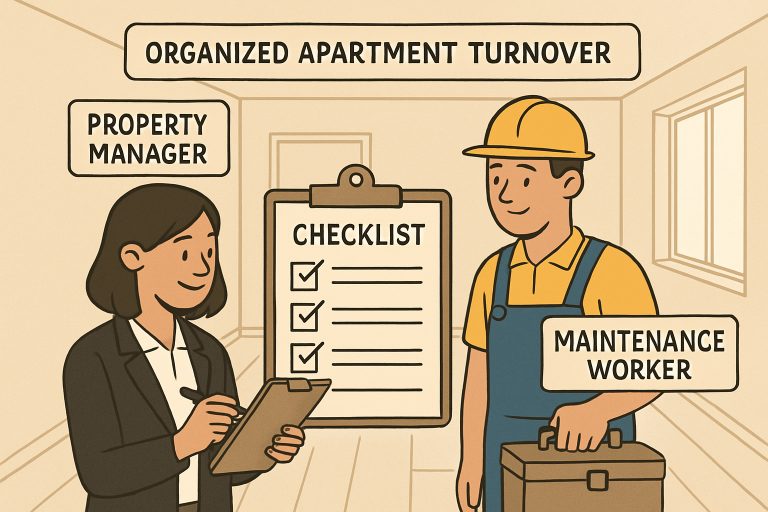
Breaking down the turnover workflow into actionable steps, such as final walk-throughs, key retrieval, deep cleaning, painting, and supply ordering, can help define ownership for each stage. Using detailed checklists and transparent documentation increases efficiency and minimizes errors or misunderstandings. For example, a well-structured checklist might include steps like documenting damage, verifying security deposits, and logging completed maintenance. With each team member aware of their responsibilities and timeline, there is less risk of overlooked details that could impede a swift turnover.
Coordinating Vendor Management
Most turnovers require the skills of several vendors, from cleaning companies and painters to plumbers and electricians. If vendors are not scheduled in the correct order, work can be delayed or duplicated, cleaners may have to return after repairs, or painters might cover an area that requires further work. It is critical to schedule each service in a logical order to optimize labor costs and vacancy time. In high-turnover seasons, having strong relationships with reliable vendors and clear service-level agreements in place can make all the difference.
Strategic Scheduling and Communication
Property managers should maintain a preferred vendor list and communicate regularly to avoid scheduling conflicts. Using centralized scheduling tools provides visibility, enables real-time updates, and allows quick adjustments if a vendor is delayed or an urgent repair is discovered. This transparency improves accountability, as everyone involved can see exactly where the unit stands in the turnover process. For more resources and strategies on effective vendor coordination, property professionals can consult the National Apartment Association, which offers training, templates, and best practice guidelines.
Implementing Preventive Maintenance
Routine upkeep is a powerful tool for preventing costly turnover delays. Scheduling periodic inspections, replacing air filters, servicing HVAC units, checking appliances, and addressing minor repairs while the unit is occupied or immediately after a move-out can minimize any need for extensive rework right before the next tenant moves in. Preventive maintenance not only helps keep properties in peak condition but also signals to current residents that management is proactive about their living experience, potentially increasing their satisfaction and the likelihood they will renew their lease.
Cost and Time Savings
Proactive maintenance reduces emergency repairs and ensures that units meet quality standards for new tenants. For example, regularly inspecting plumbing and electrical systems can prevent costly, time-consuming repairs at turnover. According to Premiere Property Services, the cost of preventive measures is often recouped by reducing the risk of costly, disruptive repairs between tenancies. Furthermore, well-maintained properties are more attractive to prospective tenants, promoting faster lease-ups.
Leveraging Technology
Modern property management relies heavily on technology to enhance operational efficiency. Comprehensive property management software solutions can automate reminders for critical dates, consolidate maintenance requests, and provide authentic records for inspections and expenses, reducing the chance for human error. Technology platforms often include integration and reporting features, making it easier for managers to analyze performance data and continuously improve processes.
Adopting Automation and Portals
Automated notifications about tenant move-outs, maintenance updates, and cleaning schedules help ensure no steps are missed in the turnover process. Features like tenant portals provide residents with easy access to important information and seamless communication channels, thereby improving the overall experience for both outgoing and incoming tenants. Digital documentation also accelerates the return of security deposits and helps address post-move-out questions more efficiently.
Enhancing Tenant Satisfaction
High turnover rates can significantly increase operational costs, so property managers must prioritize both tenant retention and quick turnovers. Providing a welcoming environment, through well-maintained shared spaces, friendly staff, and prompt issue resolution, encourages residents to remain in the community. When tenants feel valued and receive prompt responses to their concerns, they are less likely to leave at the end of a lease term.
Community Engagement and Communication
Organizing community events or offering tenant appreciation programs, such as move-in welcome gifts or seasonal gatherings, can reinforce a sense of belonging and make the property feel like home. Actively seeking feedback through surveys, suggestion boxes, or follow-ups after maintenance work demonstrates that management truly cares about tenant well-being. Industry research from Premiere Property Services highlights that a strong sense of community and consistent, transparent communication are closely linked to higher renewal rates and lower turnover.
Conclusion
Streamlining apartment turnover is an ongoing process that requires coordination, technology adoption, and a focus on preventive maintenance. By assigning clear ownership, carefully managing vendors, and fostering positive tenant relationships, property managers can minimize vacancy time, strengthen rental income, and create a positive living experience in their communities. As markets grow more competitive and residents’ expectations continue to rise, implementing and refining these strategies will continue to deliver measurable benefits for both property owners and tenants.
