
Fresh air matters just as much as insulation, lighting, and temperature control inside a dedicated exercise space. Without sufficient airflow, carbon dioxide, humidity, and odors particles can accumulate, especially during intense workouts. A well-planned backyard office shed can also serve as an occasional exercise room, provided its ventilation strategy matches the activities taking place inside. SUNJOY outdoor rooms illustrate how enclosed backyard spaces can be adapted for different daily needs, but healthy indoor conditions still depend on thoughtful airflow design, sensible occupancy, and regular maintenance.
Why Ventilation Matters During Exercise
Physical activity changes indoor air quality quickly. Breathing becomes faster and deeper, which raises carbon dioxide levels more rapidly than quiet desk work. Body heat also increases, while perspiration introduces additional moisture into the surrounding air. Without an appropriate route for stale air to escape, the room may begin to feel stuffy even if the temperature remains comfortable.
Humidity deserves particular attention. Persistent moisture can encourage condensation on cooler surfaces and create conditions that support mold growth. Exercise mats, towels, upholstered benches, and other absorbent materials can retain moisture long after a workout ends. Good ventilation can help reduce indoor humidity and limit the conditions that contribute to condensation and mold growth.
Air movement also affects perceived comfort. Gentle circulation can distribute temperature more evenly, preventing stagnant corners near walls or equipment. However, excessive airflow may become uncomfortable during stretching, yoga, or slower exercises. Ventilation therefore needs to balance fresh-air exchange with reasonable indoor comfort rather than simply maximizing fan speed.
Planning Fresh-Air Intake And Exhaust
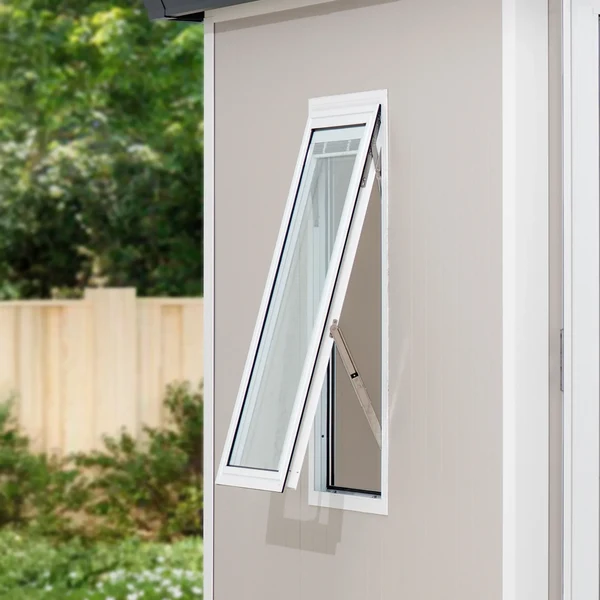
Effective ventilation usually depends on two functions: bringing cleaner outdoor air inside and moving used indoor air out. Windows can provide natural airflow under suitable weather conditions, while mechanical fans offer greater control when outdoor conditions are unsuitable. Placement matters because air should travel through the occupied zone instead of entering and immediately leaving through nearby openings.
Cross-ventilation can work well when openings exist on different sides of the building. Air entering from one side can pass across the room before exiting elsewhere, creating a more useful circulation pattern. Roof-level exhaust openings can help release warm air when they are paired with suitable lower-level intake openings and the building layout supports airflow.
Mechanical ventilation becomes more valuable in tightly insulated structures. Insulation reduces unwanted heat transfer, but it does not automatically provide fresh air. A properly selected exhaust fan, intake vent, or balanced ventilation system can address that gap. Noise should also be considered, since excessive fan sound may interfere with conversations, music, or concentration.
Ventilation Needs For Different Activities
Exercise intensity influences how much fresh air a room needs. Light stretching produces relatively little heat and moisture, whereas cardio workouts can raise both quickly. Strength training falls somewhere between these extremes, depending on workout duration, occupancy, and equipment. Ventilation planning should therefore reflect actual usage rather than relying on the room’s size alone.
A fitness shed used for short individual sessions may have different airflow requirements from a space shared by several people. More occupants generally mean more carbon dioxide generation and body heat. Longer sessions likewise give humidity and odors more time to accumulate. Keeping doors or windows available for periodic airing can help, although weather, insects, and outdoor air quality may limit that approach.
Exercise equipment introduces another consideration. Treadmills, stationary bikes, resistance machines, and compact weights can occupy substantial floor area, potentially obstructing airflow pathways. Furniture and storage should remain clear of vents and openings so that air can circulate throughout the occupied portion of the room.
Insulation, Moisture, And Indoor Air Quality
Ventilation and insulation should be considered together rather than treated as unrelated features. Insulated walls and roofs help stabilize indoor temperatures, while controlled ventilation removes excess moisture and stale air. Poor coordination between these elements can create an environment that feels either excessively humid or unnecessarily drafty.
The 10 × 12.6 ft. Esquire Beyond Shed Outdoor Room provides an example of an enclosed backyard space designed around year-round use. Its walls, roof, doors, and windows are insulated, giving the structure a more controlled interior environment. Such a setup can function as a backyard office shed, gym area, storage room, or quiet retreat, but ventilation remains important whenever people exercise inside.
Moisture management should continue after the workout ends. Leaving damp towels or wet clothing inside can raise humidity even after the occupants leave. Opening suitable vents, operating an exhaust fan, and allowing equipment to dry can reduce lingering moisture. Regular inspection around windows, corners, and ceiling surfaces can also reveal condensation problems before they become more difficult to address.
Conclusion
Good ventilation can improve indoor air quality by helping control stale air, excess humidity, heat, and odors while preserving the benefits of insulation. Thoughtful airflow planning becomes especially valuable when a fitness shed serves several purposes across the week, since its ventilation demands can change with occupancy and activity.
With suitable intake and exhaust points, sensible equipment placement, and consistent maintenance, an enclosed backyard room can remain more comfortable during demanding workouts and quieter activities alike. For homeowners considering a backyard office shed that may also support exercise, the same principle applies: SUNJOY multipurpose outdoor rooms can provide the physical setting, while appropriate ventilation, temperature control, and maintenance help determine how comfortably the space performs over time.
