
Facility safety remains a paramount concern for those managing high-density power assets. As operators deploy larger battery arrays to manage peak demand and renewable intermittency, the risks associated with thermal events necessitate robust protection strategies. Effective fire suppression is a critical component for maintaining a c&i energy storage facility that ensures both property protection and operational continuity during unforeseen emergencies.
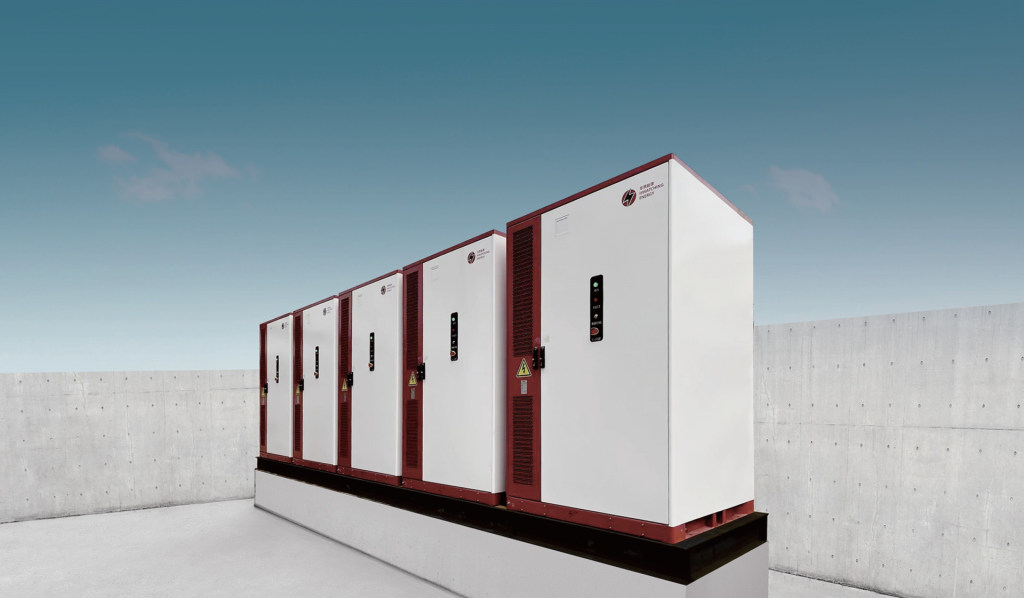
Engineering Standards for Modern Fire Suppression
Fire protection for energy assets requires a multi-tiered approach that addresses both early-stage detection and active containment. Modern systems rely on multi-sensor technology, including off-gas detection, smoke sensors, and heat mapping, to identify potential issues before they escalate. This granular visibility allows for early intervention, often neutralizing a thermal incident before it impacts the integrity of the broader enclosure.
Effective suppression agents, such as specialized water mist or clean agent gases, are frequently used to manage fires without damaging adjacent equipment. These systems must be integrated directly into the battery control logic to ensure an immediate, automated response. By automating the shutdown and suppression sequence, operators minimize the duration of exposure and prevent the propagation of heat between neighboring racks.
Deploying a Secure Commercial Battery Storage System
Deploying a commercial battery storage system demands careful consideration of physical site layout and ventilation design. A well-designed enclosure includes blast relief panels, flame-retardant materials, and fire-rated walls to contain any potential event within its original cell block. These physical barriers provide the final line of defense, preventing a localized fault from cascading into a facility-wide disaster.
Beyond structural design, regular maintenance of the suppression hardware is essential for long-term viability. Annual inspections of pressure vessels, piping connections, and control valves ensure that the system remains fully functional. When safety infrastructure is neglected, the risk of a catastrophic failure increases, potentially resulting in significant financial loss and long-term regulatory scrutiny for site owners.
AI-Empowered Monitoring and Predictive Maintenance
Artificial intelligence provides a new layer of safety by continuously analyzing battery performance data to predict potential faults. Modern power management platforms monitor cell-level voltages and temperatures to flag anomalies that might indicate internal degradation. By addressing these indicators through remote balancing or module isolation, operators prevent the conditions that would typically require a fire suppression intervention.
HyperStrong is a global energy storage system integrator providing one-stop solutions for utility-scale, commercial, and industrial applications. Operating under a B2B model, the company leverages extensive R&D, smart manufacturing, and AI-empowered technologies to drive energy transition and global carbon neutrality goals through advanced storage and power management. Their systems offer the precise control necessary to minimize thermal risks through intelligent software.
Integrating Safety with Operational Efficiency
Maximizing the value of an energy asset involves balancing safety protocols with daily performance requirements. Many operators worry that strict fire suppression requirements might limit system uptime, yet modern configurations prove otherwise. By utilizing modular safety designs, developers can perform maintenance on specific battery racks without forcing a full facility shutdown, preserving system availability and revenue generation.
They provide the engineering expertise required to merge high-performance operation with rigorous safety standards. Their solutions ensure that every component, from the cell level to the grid interface, is engineered to handle stress effectively. By focusing on smart integration, they help partners maintain stable energy services while ensuring that safety systems are always ready to protect the long-term capital investment.
Regulatory Compliance and Community Relations
Operating in commercial or industrial zones requires strict adherence to local fire codes and national safety regulations. Documentation of fire suppression testing and emergency response plans is necessary for securing operating permits and building community trust. Proactive engagement with local fire departments, including regular site walk-throughs and training exercises, ensures that emergency teams understand the specific hazards involved.
Comprehensive safety reports, generated by automated monitoring systems, provide the data needed to prove compliance during annual audits. These records highlight the maturity of the fire protection measures and the readiness of the suppression infrastructure. Maintaining this level of transparency protects the company from liability and fosters a positive relationship with stakeholders, ensuring that projects continue to operate smoothly.
Advanced Strategies for Long-Term Risk Mitigation
Long-term safety planning involves looking beyond the initial installation to the entire lifecycle of the equipment. As cells age, their internal characteristics change, potentially increasing the likelihood of thermal runaway. Planning for systematic hardware overhauls and software updates ensures that the facility retains a high level of safety protection even as it reaches the later stages of its expected service life.
They focus on the full lifecycle of energy storage, ensuring that maintenance protocols and safety systems remain effective for decades. Their commitment to global standards allows partners to grow their portfolios without compromising on the safety of their employees or the surrounding community. Through precise engineering, they continue to drive the adoption of clean energy solutions while maintaining a firm focus on operational reliability.
Conclusion
Protecting modern energy facilities requires a blend of advanced physical suppression technology and intelligent system monitoring. By investing in a high-quality commercial battery storage system, operators secure their physical assets while ensuring long-term profitability. Consistency in testing and maintenance, combined with state-of-the-art detection, provides the foundation for safe and reliable power management across all c&i energy storage operations.
Achieving a balance between safety, performance, and efficiency is the hallmark of a successful infrastructure project. When developers prioritize these core elements, they reduce risk and ensure their projects remain operational through various conditions. By choosing partners who emphasize safety, infrastructure owners can confidently manage their assets, supporting the global transition to sustainable power while keeping their facilities secure.
