
Key Takeaways
- Smart home technology is a significant draw for today’s homebuyers and a powerful selling point for sellers and real estate agents.
- Energy efficiency and sustainability guide purchase decisions, with green design now a mainstream priority.
- IoT devices and VR/AR solutions expand access and boost property appeal, especially for remote buyers.
- Modern marketing channels, such as social media, are changing how real estate is promoted and sold.
The real estate market is undergoing a dramatic transformation, powered by the rapid evolution of smart technology in the home. Today’s homebuyers are no longer satisfied with the basics—they expect automation, security, and eco-friendly design that fit seamlessly into their lives. This transition is reshaping everything from property values to the way homes are marketed. Houston real estate experts Nan and Co Properties have seen firsthand how smart systems and innovative technology are becoming central to the buyer experience. With features like remote-controlled thermostats and advanced surveillance systems, homes are becoming smarter, safer, and more efficient for modern living.
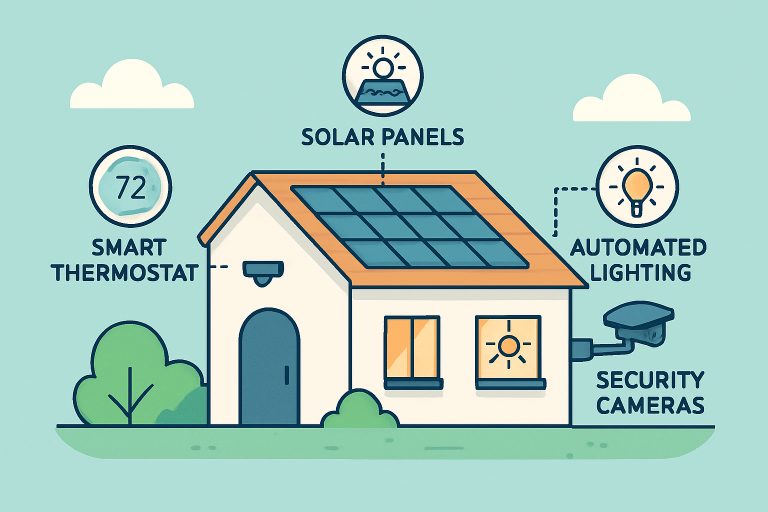
For both buyers and sellers, understanding these new priorities is crucial. Smart home integration is no longer reserved for luxury estates—it’s quickly becoming a standard expectation. Automated lighting, voice-activated assistants, and water-saving fixtures are top selling points that make a property stand out in a competitive marketplace.
Additionally, energy efficiency and sustainability are now primary motivators for buyers. Forward-thinking developers are focusing on smart appliances, sustainable materials, and eco-conscious building techniques, appealing to homeowners who want long-term savings and a lighter environmental footprint. Research indicates that these shifts are driven by a new generation of consumers who are tech-savvy and sustainability-minded.
As property technology advances, it’s not just about what’s inside the home. Enhanced marketing strategies, fueled by social media and immersive digital tools, are revolutionizing how agents connect with clients and showcase properties—ensuring that smart features get all the attention they deserve.
Smart Home Integration: A New Standard
Smart home features have quickly shifted from luxury upgrades to essential amenities. Automated lighting systems, smart climate controls, and reliable security systems are becoming more common in both new and existing homes. Data shows a sharp increase in mentions of smart features, especially in areas like water conservation and automation, with terms like “WaterSense” fixtures gaining popularity. These features not only add convenience but also enhance the overall value and appeal of properties.
Energy Efficiency and Sustainability
Energy-efficient homes used to be rare, mainly appealing to eco-conscious buyers or those aiming for savings over time. Today, they are increasingly in demand, featuring smart thermostats, LED lighting, advanced HVAC systems, and efficient appliances. Buyers also prefer properties built with recycled or renewable materials and innovative features like EV charging stations. A study indicates that these eco-friendly elements are now essential, not just optional upgrades, for the next wave of homeowners.
The Rise of IoT Devices in Real Estate
The widespread adoption of IoT—Internet of Things—devices has set a new standard for home management and automation. Homeowners can remotely control not just climate and lighting, but also security, window treatments, and major appliances, all from their smartphones or tablets. Technologies such as digital twins and sensor-driven alerts simplify maintenance while enhancing both safety and comfort. The impact of these advances is especially evident in how they remove barriers for remote buyers. VR tours powered by real-time smart home data allow prospective buyers everywhere to have meaningful, interactive experiences—reducing the need for physical visits and attracting new investment opportunities.
Virtual and Augmented Reality in Property Showcasing
Virtual and augmented reality technologies are fundamentally altering the home-viewing landscape. VR-enabled walkthroughs offer a true-to-scale sense of space, design, and flow. AR overlays, meanwhile, can showcase potential renovations or decorating schemes, helping buyers visualize how a space will fit their lifestyle. These innovations are especially valuable for international investors and families moving cross-country, providing flexibility and reducing travel costs. Agents can now offer immersive, detailed showcases from anywhere, transforming the buying journey and expanding access to a broader audience.
Social Media’s Influence on Real Estate Marketing
Social media has emerged as one of the most influential forces in real estate marketing. Agents and property owners are leveraging platforms like TikTok, Instagram, and Facebook to create visually compelling stories around their listings. From interactive floor plans to dynamic property videos, these tools drive engagement—and even virality—among tech-forward buyers. The reach and speed offered by social channels far surpass traditional listing platforms, as reported by Realtor.com. This increased visibility allows well-marketed homes with smart features to sell faster and often at premium prices.
Conclusion
Modern smart home trends are transforming the expectations of homebuyers and the strategies of real estate professionals. Whether it’s automation, sustainability, IoT integration, or dynamic online marketing, these innovations are driving demand and reshaping the future of the industry. For those looking to buy, sell, or invest, staying updated with these cutting-edge trends is now more critical than ever.
