
Key Takeaways
- Understand the crucial role of a robust SEO foundation in achieving online success and driving business growth.
- Follow practical steps to optimize your website’s organization, technical details, and content for both users and search engines.
- Use off-page and authority-building strategies to strengthen domain trust and digital reputation.
Establishing a robust SEO foundation remains crucial for improving a website’s visibility in search results and capturing targeted organic traffic. Every successful online business prioritizes search optimization at its core, ensuring every technical and content decision advances the site’s ability to rank. For those eager to set their sights on long-term digital success, understanding where to begin is essential. This comprehensive guide will illuminate best practices for building an effective SEO strategy. To see an example of these strategies in action and discover more resources, check it out.
Whether you’re launching a new website or refining an existing one, the following roadmap will help you optimize your structure, content, and authority signals to enhance your online presence. Mastering these fundamentals is the surest way to attract, engage, and convert your target audience through organic search. A solid foundation will also help you adapt to future algorithm changes and remain competitive in your market.
As you improve your SEO maturity, focus on both technical implementation and creating meaningful user experiences. By balancing site architecture, credible content, and purposeful link-building, you ensure lasting visibility—even in dynamic search environments. When these elements work together, your site becomes a trusted resource in your niche.
SEO is dynamic, requiring ongoing attention, analysis, and agility. This guide explains how to combine foundational strategies and continual improvement to build a resilient SEO program.
Understanding SEO Fundamentals
Search Engine Optimization (SEO) is the science of aligning your website with search engine algorithms and human behavior. At its core, SEO is about making your site both accessible and authoritative, so that search engines can index and rank your content for relevant user queries. A foundational approach covers crawlability, site performance, and delivering valuable, original information.
A powerful SEO foundation creates a ripple effect throughout all aspects of your digital presence, driving qualified leads and increasing conversions. Strong technical SEO ensures every page can be found, properly crawled, and meaningfully interpreted by Google and Bing, while a trustworthy content profile encourages search engines to display your site prominently.
Conducting Keyword Research
Effective keyword discovery enables you to align your pages with the needs and interests of your target market. Begin by identifying both broad and focused queries using professional research tools like Google Keyword Planner, SEMrush, or Ahrefs. Analyze the intent—are people seeking information, local solutions, comparisons, or to make a purchase? Prioritizing a mix of short-tail and long-tail keywords meets a wider variety of those needs.
Competitor research is equally important: Assess which search terms are driving traffic to leading sites in your field and uncover gaps you can exploit. This deliberate research empowers you to plan new content initiatives and update existing pages for better relevance and reach. Resources like Moz’s guide to keyword research help deepen your understanding of this landscape.
Optimizing Website Structure
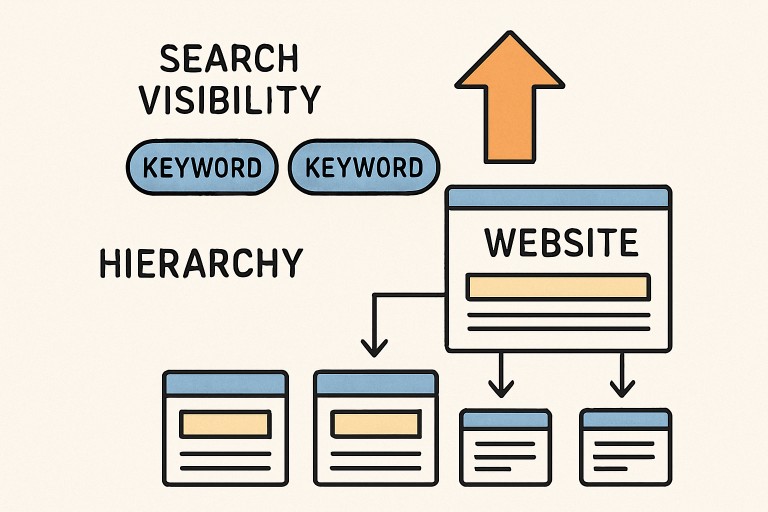
Your website’s structure impacts everything from crawl budget to user satisfaction. Create a logical hierarchy with clear parent and child (sub)categories, keeping navigation intuitive and accessible. Beyond delivering value to visitors, a streamlined navigation system helps search engines quickly map the most important pages and relationships between content.
Generate an XML sitemap, so search bots can discover all your key URLs, and be meticulous in cleaning up broken links and duplicate content. Mobile-friendliness is now a must, as Google’s indexing increasingly prioritizes responsive design.
Creating High-Quality Content
Compelling, value-driven content is the linchpin of enduring SEO results. Focus on creating original information that directly answers your audience’s questions and solves their problems. Use your target keywords naturally—avoiding over-optimization—and strive for a rich mix of evergreen guides, timely articles, and engaging multimedia, such as videos or infographics.
Content quality requires both substance and style: Write with clarity, authority, and relevance, and structure posts with headings, bullet points, and visuals for easy scanning. Use internal linking to guide visitors across related pages, increasing engagement and session duration.
Implementing On-Page SEO
On-page SEO ensures that each page is organized and signposted for both users and search engines:
- Title Tags and Meta Descriptions: Use actionable, descriptive language reflecting the page’s primary keyword.
- Header Tags (H1, H2, H3): Organize content logically for ease of reading and indexing.
- Image Optimization: Add meaningful alt text and compress files for fast loading without quality loss.
- Page Speed: Employ caching, image optimization, and quality hosting to reduce load times—an increasingly critical Google ranking factor.
Properly implemented on-page SEO not only boosts rankings but also enhances user experience and accessibility.
Building Backlinks
Backlinks—a vote of confidence from authoritative, relevant websites—strengthen your domain’s reputation and search rankings. Focus your outreach efforts on quality over quantity, seeking natural editorial links through guest contributions, expert roundups, and original research. Building long-term relationships with industry leaders and influencers increases your chances of earning these premium links.
Additionally, producing highly shareable resources, such as definitive guides and unique data studies, encourages organic backlink growth over time.
Building a solid SEO foundation becomes easier when using an AI presentation maker tool to visualize keyword strategies and site performance.
Monitoring and Adjusting Strategies
SEO demands constant vigilance. Use analytics suites like Google Analytics and Google Search Console to track keyword rankings, traffic patterns, user engagement, and conversions. Pinpoint where your efforts are thriving and where adjustments could generate improved performance. Regularly audit your site to identify and resolve technical issues, and update outdated content, ensuring continued value and authority.
Staying Updated with SEO Trends
The world of search engine algorithms and digital consumer behaviors evolves rapidly. Stay informed with trusted industry publications such as Search Engine Land. Participate in relevant forums and webinars to stay current with your tactics, and update your strategies as Google, Bing, and other search engines roll out changes. Lifelong learning and adaptability are the keys to enduring SEO success.
By following these principles, you lay the groundwork for sustained growth and trusted authority in your market. Thoughtful architecture, purposeful keywords, compelling content, and a relentless pursuit of excellence will help your site excel in an ever-evolving digital landscape.
